

Lead Generation
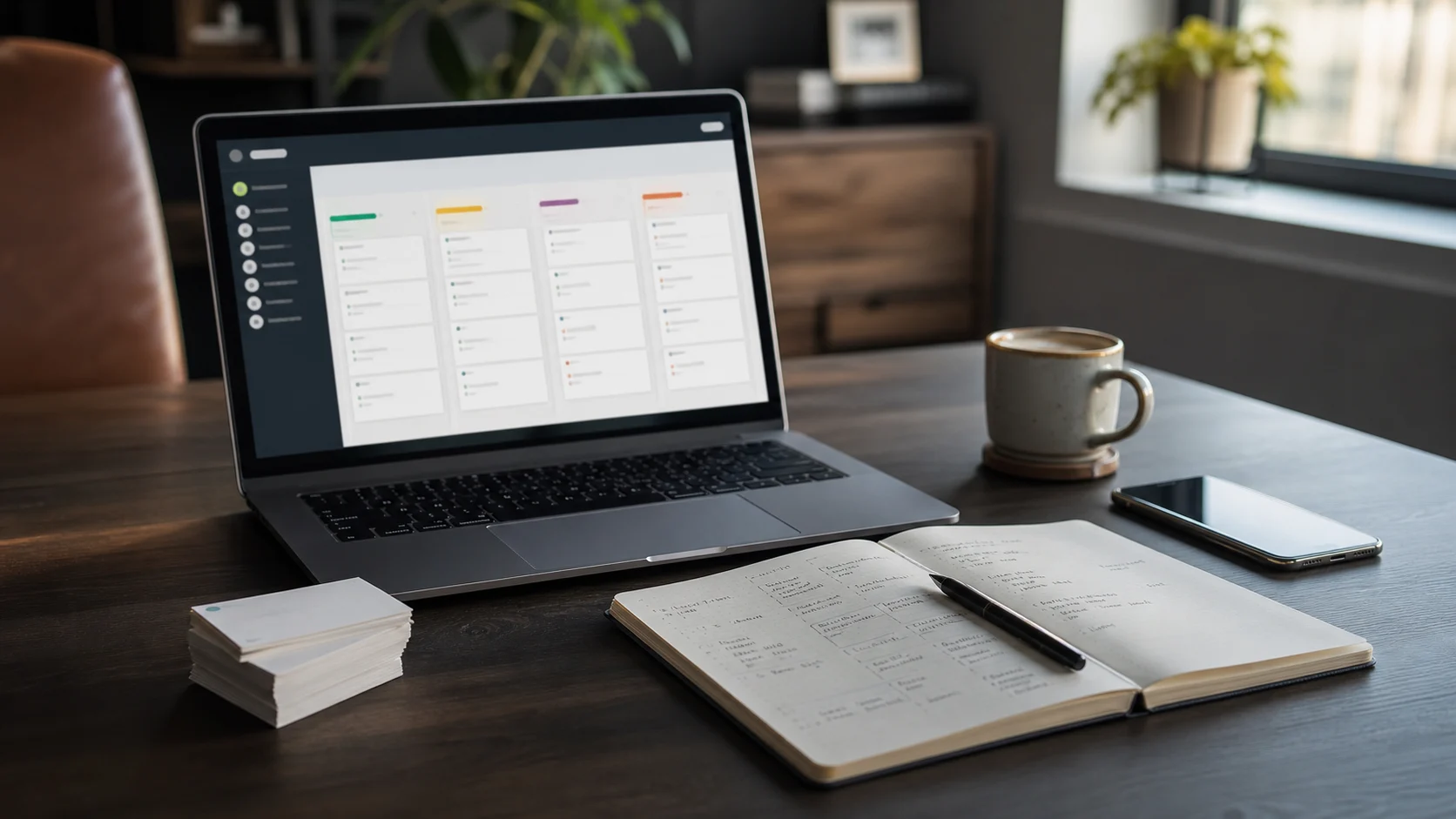
Leads were not the problem. The problem was that they appeared everywhere: website, email, referrals, LinkedIn and personal conversations. It was often unclear what was actually new, what had already been answered and who should respond next.
We did not want to build an aggressive sales machine. The process needed to help the team recognize good conversations faster and follow up reliably, without forcing every request into an overloaded CRM immediately.
Before
New contacts were usually handled where they started. A LinkedIn chat stayed on LinkedIn. A referral sat in an inbox. A website form was forwarded. That worked while a few people could keep everything in their heads.
As more requests came in, it became messy. Some leads were contacted twice, others too late. And the simple question was often hard to answer: what is the next step?
What changed
We built one intake for new contacts and kept the process intentionally lightweight. Every request receives a source, a short qualification and a next action.
Not every contact needs to be perfectly scored right away. The first goal is simpler: nothing gets lost, and the team can see which conversations need attention.
What we built
- intake for forms, email and manual contacts
- simple qualification by need, relevance and timing
- routing to the right person
- follow-up reminders and CRM handoff
- overview for new, active and waiting conversations
- notes attached to the lead instead of scattered across chats
Why it works day to day
The workflow stays human. Nobody has to turn every message into a complex record immediately. But once a contact becomes relevant, there is one place where context, status and next step come together.
That helps the team decide faster: respond now, follow up later, qualify further or close the conversation.
The workflow in detail
- A request is captured with its source, timestamp and available contact details.
- The team checks for duplicates and active conversations before starting another outreach.
- Only the information needed for qualification and the next action is added.
- Need, relevance and timing produce a recommendation, not an automated decision about the person.
- A responsible owner takes over the conversation and records a concrete next step.
- When the conversation ends, status and outcome are documented so no stale reminder keeps running.
The process is designed to improve coordination, not to score people opaquely. Qualification stays traceable and can be corrected by the responsible owner.
Measurement and limits
Useful indicators stay close to the workflow instead of making a generic revenue claim:
- time to first response
- new leads without an owner
- overdue follow-ups
- duplicate records or duplicate outreach
- share of conversations with a documented next step
This case study does not promise a specific conversion rate. Outcomes also depend on the offer, audience, timing and quality of the conversation. The workflow makes sure that this work is visible and carried out reliably.
Result
Loose lists and individual messages became a traceable lead process. New requests have a place, a status and a next action. That makes it easier to see which conversations deserve priority and where a follow-up is missing.